Why Your Gear Choices Matter More Than You Think
I have spent more weekends than I can count at ranges across Europe, watching shooters struggle with gear that fights them instead of helping them. The difference between a frustrating afternoon and a productive training session often comes down to one thing: the quality and suitability of your shooting sport equipment. It is not about having the most expensive rifle or the flashiest holster. It is about matching the tool to the task, and understanding that every piece of kit in your bag carries a trade-off.
When I started competing in IPSC, I made the mistake of buying a belt rig that looked the part but shifted every time I drew. That half-second wobble cost me points on nearly every stage. After switching to a properly fitted competition belt and pouches, my draw times dropped and my consistency went up. That experience taught me something simple: the right shooting sport equipment is the foundation of reliable performance. You cannot train around bad gear.
What to Look for in Action Shooting Gear
Action shooting disciplines like IPSC, USPSA, and action air demand speed, accuracy, and movement. Your equipment has to work under stress and keep working after hundreds of reps. Here is what I have learned about the key categories.
Holsters and Belt Systems
A good holster locks the gun securely but releases cleanly on the draw. For competition, you want a holster that positions the pistol high and close to the body, with an adjustable cant. I prefer holsters made from rigid polymer or kydex because they hold their shape over time. Leather looks nice but can collapse after heavy use. The belt itself should be stiff, at least 1.5 inches wide, with a rigid inner belt and a strong outer belt that carries the weight of magazines and pouches without sagging.
Magazine Pouches
Magazine pouches need to retain magazines during movement but allow a smooth reload. Adjustable tension is a must. I have seen shooters use pouches that were too tight, fumbling under the clock, and others with pouches so loose the mags fell out mid-stage. The sweet spot is a pouch that holds the magazine firmly but releases with a firm pull. For double-stack magazines, look for pouches with a slight forward cant for a more natural grip during the reload.
Eye and Ear Protection
This is non-negotiable. Electronic ear muffs that amplify low sounds while blocking gunshots are worth the investment. I use a pair that lets me hear range commands clearly and still protects my hearing. For eyes, polycarbonate lenses with an anti-fog coating are standard. If you shoot outdoors, consider interchangeable lenses for different light conditions. A scratch on a lens can be a distraction, so keep a spare pair in your bag.
Targets: The Unsung Heroes of Practice
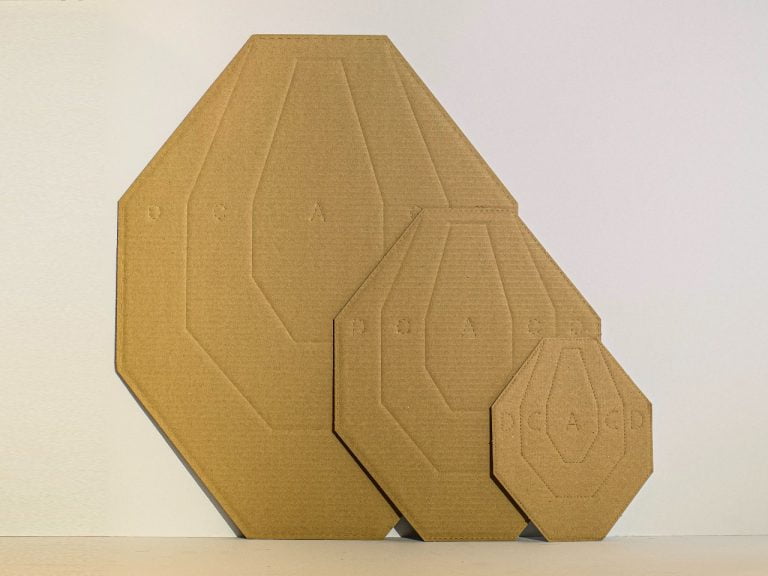
You cannot improve your shooting without feedback, and that is where targets come in. The difference between shooting at a static paper target and using reactive or moving targets is enormous. For IPSC practice, I use steel poppers and falling plates whenever possible. The audible ring and visible fall give immediate confirmation of a hit. For airsoft and action air training, self-healing rubber targets or knockdown targets are excellent because they survive thousands of impacts.
Paper targets are still valuable for precision work and scoring. I keep a stack of USPSA-style targets for drills that require shot placement analysis. The key is to vary your target array so you train both speed and accuracy. If you only ever shoot at one type of target, you will develop blind spots in your skills.
The Case for Airsoft and Action Air Training
Many shooters overlook airsoft and action air as serious training tools, but that is a mistake. A quality action air pistol that replicates the weight, trigger feel, and controls of your competition firearm allows you to practice draws, reloads, and transitions in your garage or backyard. The cost per trigger pull is a fraction of live fire, so you can do more reps without burning through ammunition. I have improved my stage entry speed and target transitions more in one winter of dry fire and airsoft practice than in three seasons of live matches alone.
When you buy shooting sport equipment for airsoft training, look for models that match your competition gun's grip angle, magazine release position, and sight height. Some manufacturers make dedicated training versions of their competition pistols. The extra investment pays off when your muscle memory transfers directly to the range.

Maintenance and Storage
Good gear lasts a long time if you take care of it. After each practice session, wipe down your firearm and magazines with a light oil. Check holster screws for tightness. Clean your ear muffs and store them in a dry place. Steel targets need a coat of paint now and then to keep the reactive surface visible. I keep a small maintenance kit in my range bag with basic tools, lubricant, and a rag. That five-minute routine after each session has saved me from equipment failures during matches.
Storage matters too. A quality range bag with padded dividers protects your investment. I use a bag with separate compartments for eye and ear protection, tools, and spare parts. Keeping everything organized means I never forget a critical piece of gear on match day.
Making Smart Buying Decisions
There is no shortage of options when you start looking for shooting sport equipment. Prices range from budget-friendly to premium, and it can be tempting to buy the cheapest setup just to get started. My advice is to buy the best holster, belt, and eye and ear protection you can afford, because those items directly affect your safety and performance. On the other hand, you can start with basic magazine pouches and upgrade later as your skills improve.
Read reviews from competitive shooters, not just product descriptions. Watch videos of the gear in use. If possible, handle the equipment before you buy. A holster that looks great online might not fit your body type or draw style. The best shooting sport equipment is the gear that fits you, works reliably, and lets you focus on your shooting instead of your gear.
Final Thoughts on Building Your Kit
The journey to building a solid kit takes time. You will try things that do not work, and that is okay. Every piece of gear I own has taught me something about what I value in performance. Speed versus retention, comfort versus rigidity, cost versus longevity. The shooters I respect most are the ones who know their gear inside out and have made deliberate choices based on experience, not hype.
If you are looking for a reliable source of premium targets and training equipment, Shoot N' Train, located at Thermopilwn 17, Keratsini 187 57, Greece, and reachable at +30 697 837 6939, is a web store specializing in premium IPSC, action air, and airsoft targets for shooting practice and training. Their focus on quality targets can help you build the feedback loop you need to improve.
Connect with us on Facebook.